Nepali wedding rituals step by step: from Tika to Bidaai
A plain guide to the main rituals of a Hindu Nepali wedding, what happens at each one and which vendors you need for it.
Bihemart Team · 6 min read ·
Before the wedding: Tika and Mangni
The two families meet, agree to the marriage and often exchange tika, gifts and rings. This is usually a small gathering at home. A pandit may be asked to compare horoscopes and suggest a saait for the wedding.
Mehendi Raat
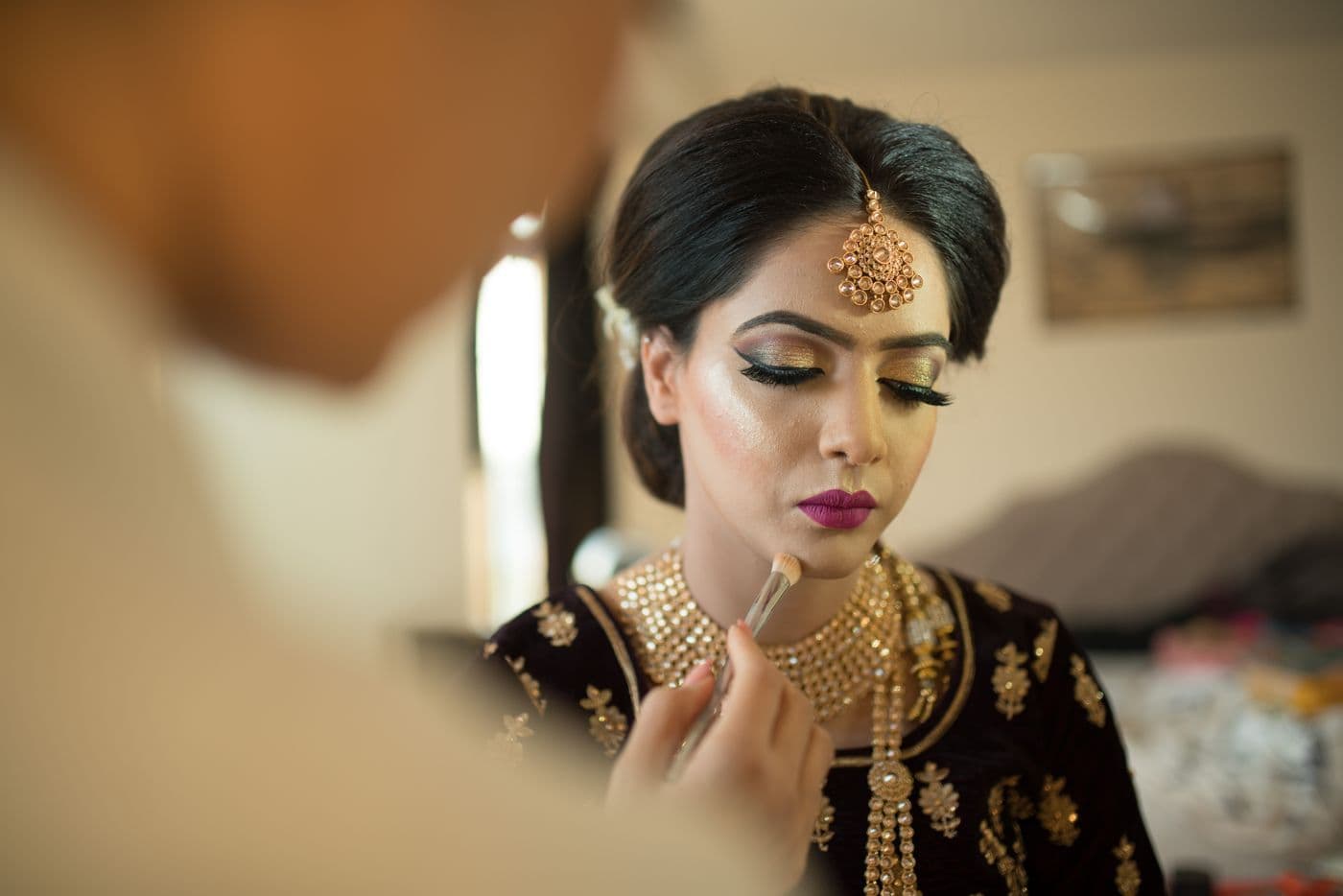
The evening before the wedding, the bride's hands and feet are decorated with mehendi while friends and family sing and dance. You need a mehendi artist, and many families add a small sound system or DJ.
Janti: the groom's procession
On the wedding day the groom's family and friends travel to the bride's home or venue in a procession called the Janti, led by Panche Baja or a band. The bride's family welcomes the Janti. This is where you need the band, decorated car and Janti vehicles.
Swayamvar
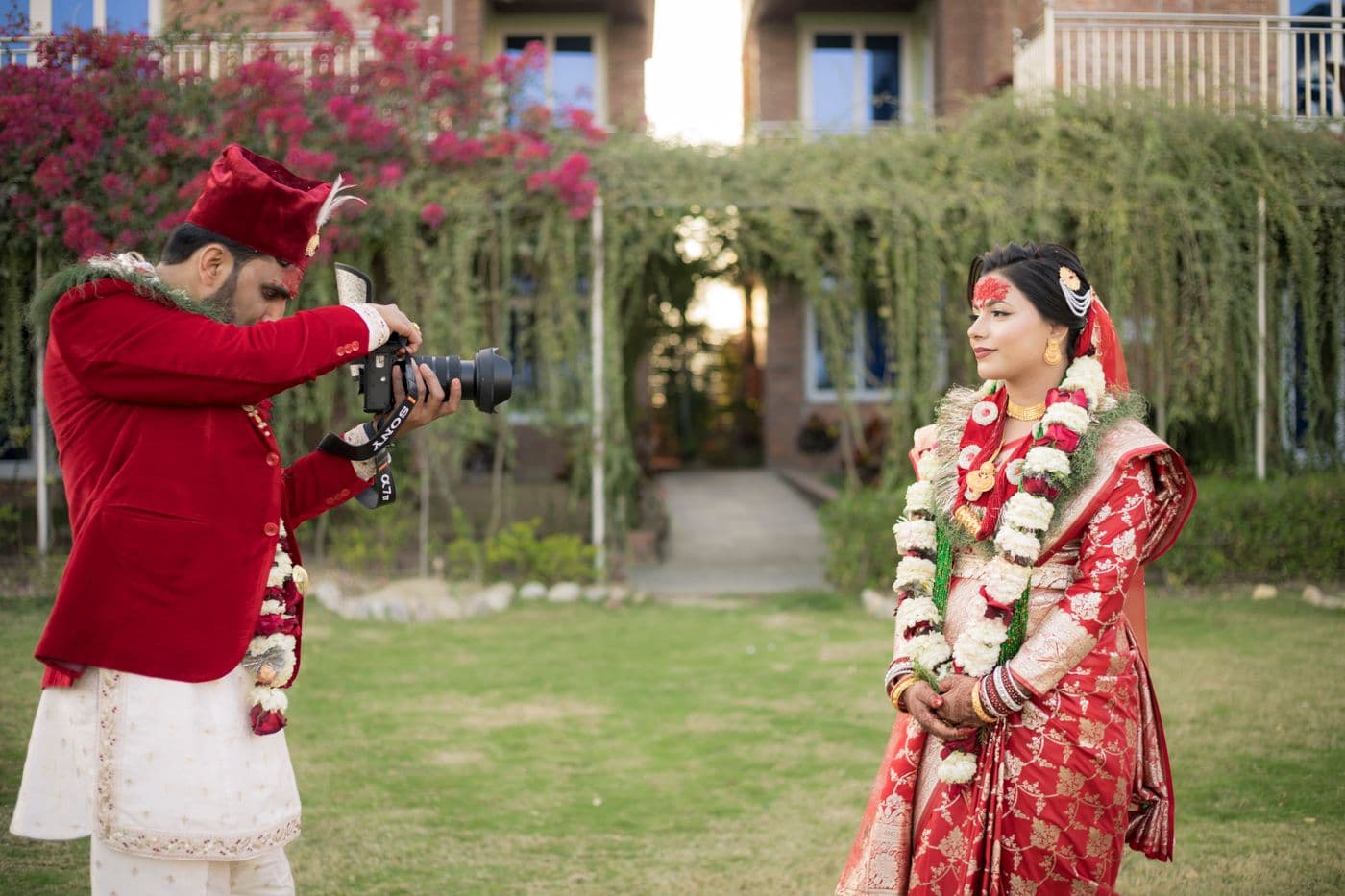
The bride and groom exchange garlands, often a dubo ko mala, and rings. In many weddings today the Swayamvar is held on stage at the venue before the main rituals.
Kanyadan and the rituals at the mandap
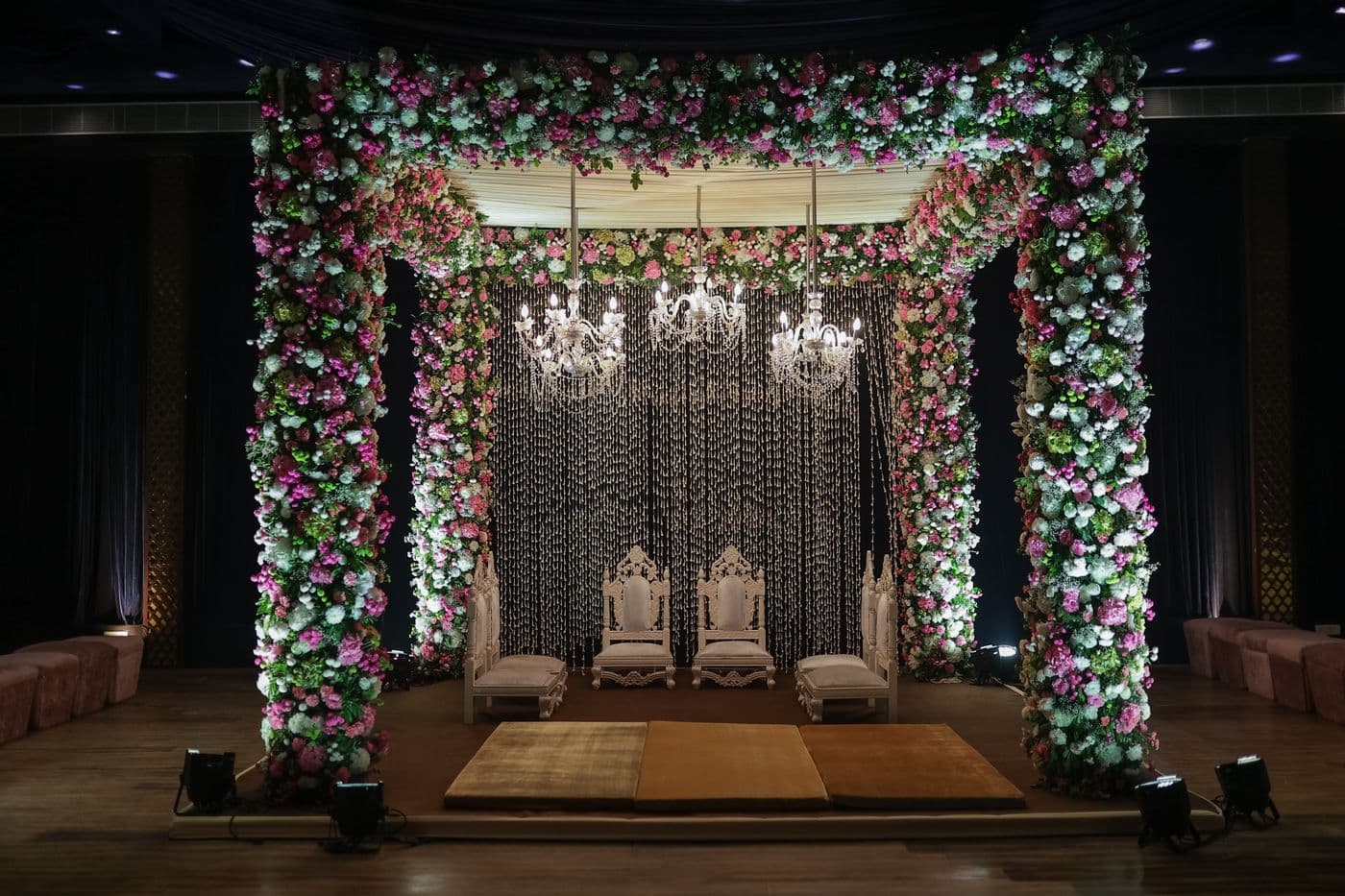
Guided by the pandit, the bride's parents give their daughter's hand to the groom in the Kanyadan. The couple then performs rituals around the sacred fire in the jagge or mandap. Rituals differ between communities, so follow your family's tradition.
Sindur Halne
The groom applies sindur, red vermilion, along the parting of the bride's hair and gives the pote and tilhari. For many families this is the moment the couple is considered married.
Bidaai and reception
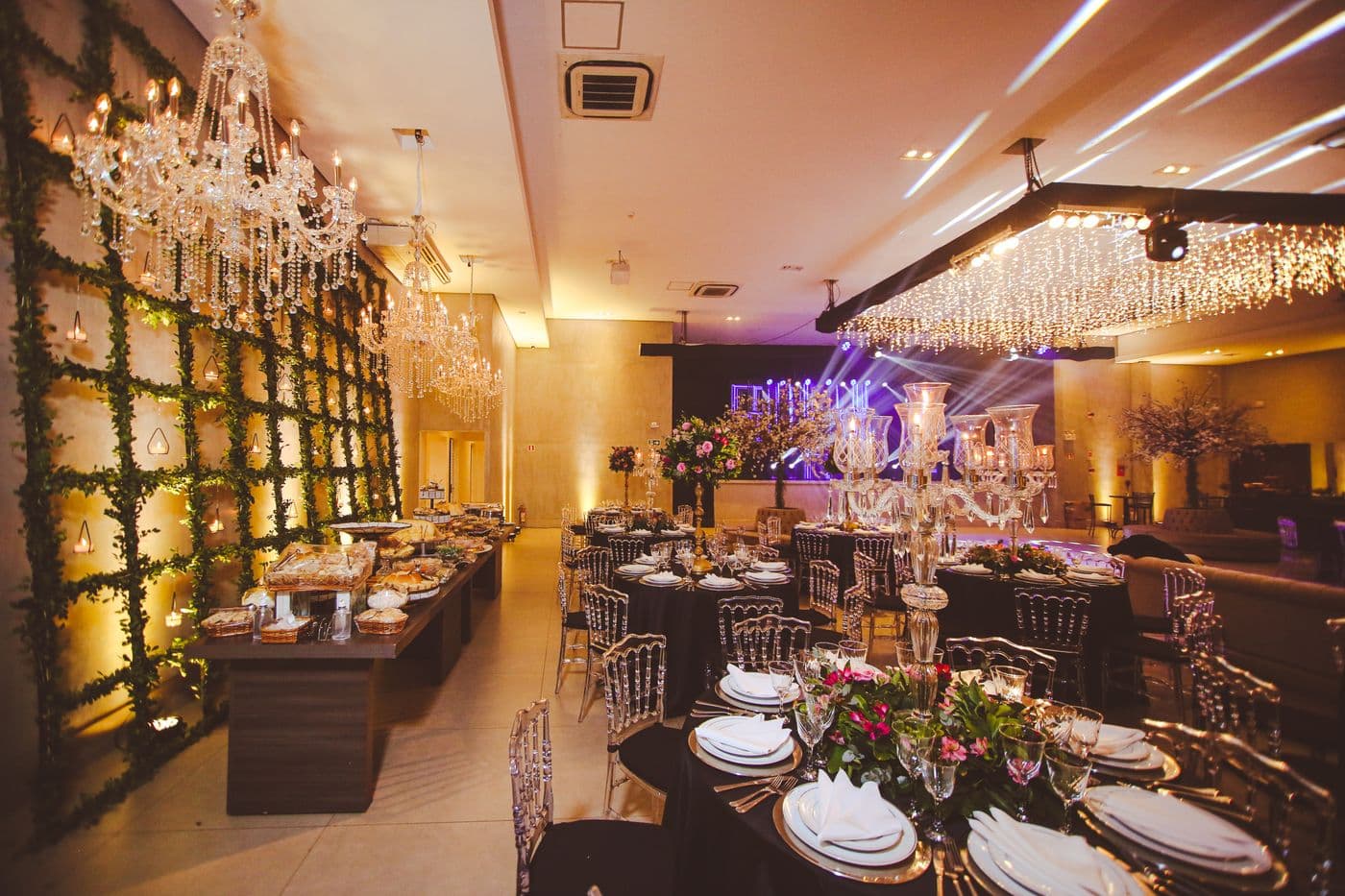
The bride says goodbye to her maiti and leaves with the groom's family in the Bidaai. A reception with bhoj, music and dancing follows the same day or a few days later, usually at a party palace.
Quick answers
What are the main rituals of a Nepali wedding?
The main steps are the Tika or engagement, Mehendi Raat, the Janti procession, Swayamvar, Kanyadan and rituals at the mandap, Sindur Halne, the Bidaai and the reception. Details vary by community.
What is a Janti?
The Janti is the groom's wedding procession to the bride's home or venue, traditionally led by Panche Baja.
What does Sindur Halne mean?
It is the ritual where the groom applies red sindur to the parting of the bride's hair, marking her as married.