Booking a pandit for a Nepali wedding: dakshina, samagri and timing
What a wedding pandit does, how dakshina and samagri are usually handled, and what to agree before the day.
Bihemart Team · 4 min read ·
What the pandit does
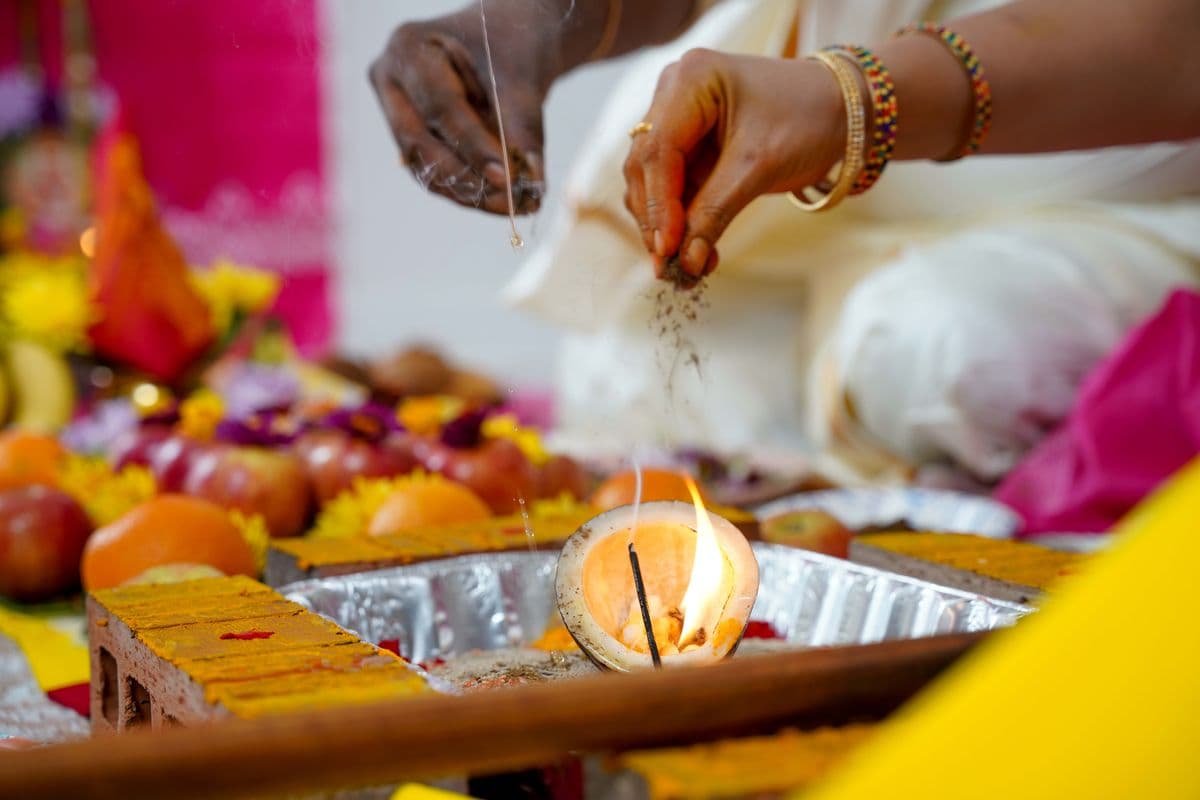
The pandit compares the couple's horoscopes, confirms the saait and the exact muhurat, and leads the rituals from the Kanyadan to the Sindur Halne. Many families keep the same kul pandit across generations.
Dakshina and samagri
Dakshina is the offering to the pandit for performing the rituals. On Bihemart, pandits for the vivah start from about Rs. 11,000 per ceremony, and the amount varies with the length of the rituals and the family's tradition. Samagri, the ritual materials, is either arranged by the pandit for an agreed amount or bought by the family from a list.
What to agree in advance
Confirm the date, the muhurat time, how long the rituals will take, whether samagri is included, whether an assistant comes, and travel if the venue is far. Share the venue's time slot so the rituals fit inside it.
Quick answers
How much dakshina do you give a pandit for a wedding in Nepal?
It depends on the rituals and family tradition. Pandits listed on Bihemart start from about Rs. 11,000 per wedding ceremony, with samagri arranged separately or for an agreed amount.